
Creating More Inclusive Choruses
Don't Wait for Someone to Ask
By: Krystle Hart
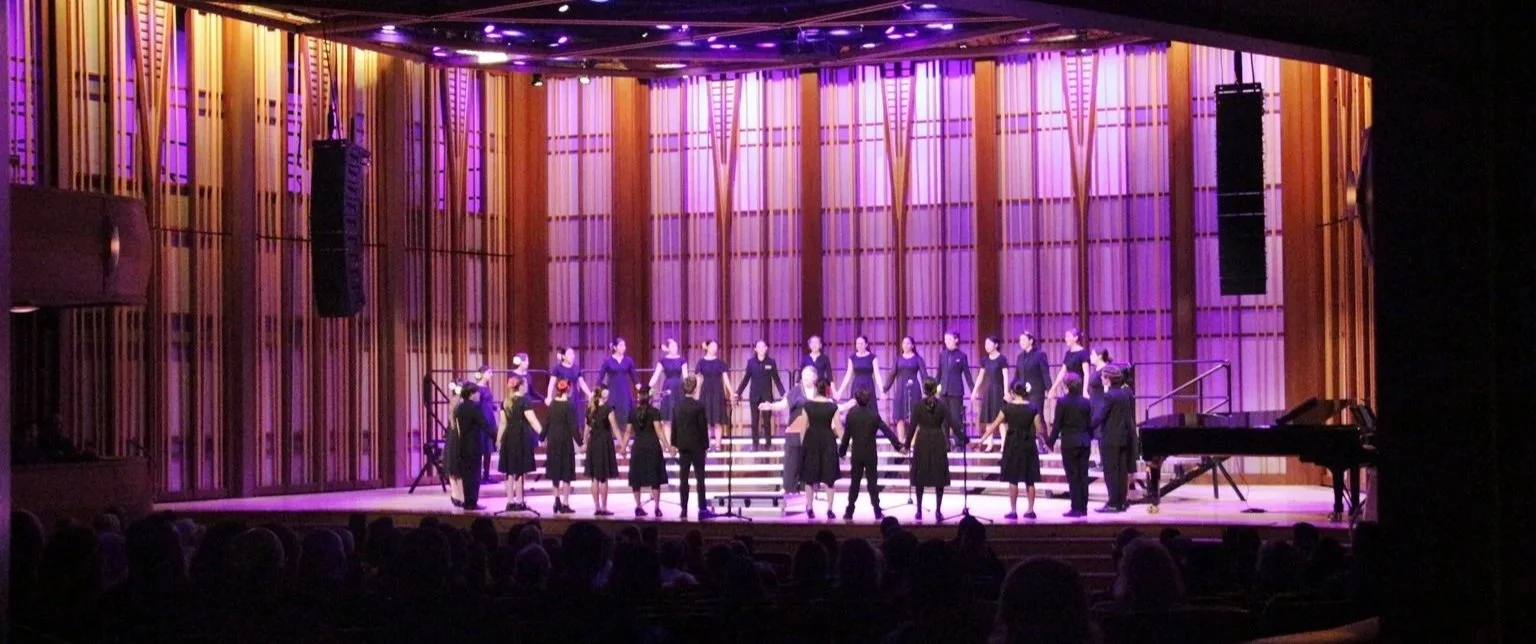
Chorus: San Diego Children's Choir, Photo: Eric Carroll
What does it really mean to make our choruses more welcoming, accessible, and inclusive?
It can be tempting to think about accessibility and inclusion as something we address when a specific need arises:
We have a singer who uses a wheelchair, so now we need to figure out rehearsal access.
We have a transgender singer joining our chorus, so now we need to think about our language and voice-part assignments.
Why not start earlier? Set a goal to build your chorus so that people can see themselves belonging before they ever have to ask.
Look at Your Chorus Through New Eyes
Start with your written materials. Let's face it - most of our websites, audition info, new-member materials, and handbooks probably need a rewrite anyway!
Gather a group of leaders from your organization. Ask who might have the skills or experience to help! Read through your materials together and ask different questions:
Is this language welcoming and inclusive?
How would a prospective singer feel reading this?
What about a prospective patron?
Are we making assumptions about gender, ability, age, experience, or background?
Does our audition information make it clear who is welcome?
Does our website accurately reflect the community we say we want to serve?
Does our language actually reflect our mission?
Your first goal isn't to write a giant policy manual. Your first goal is to start asking better questions.
Think About Accessibility Before There Is a Need
Accessibility should be part of the planning process, not a special accommodation that we scramble to create when someone asks.
When choosing rehearsal and performance spaces, consider accessibility before signing the contract.
Where is the accessible entrance? Are restrooms accessible? Can someone using a mobility device comfortably navigate the rehearsal room, stage, backstage area, and seating? Are there places to sit during long rehearsals? Can singers easily access music, announcements, and other materials?
The same thinking applies to digital accessibility: Are your website, registration forms, emails, PDFs, and other materials usable by people with different access needs?
These changes benefit far more people than the person who originally prompted the change.
When accessibility is built into the way we operate, nobody has to feel like they are asking for special treatment.
Rethink Gendered Language
One simple place to begin is with the way we talk about voice parts.
Why say "men and women" when what we really mean are our singing sections? Try to use soprano, alto, tenor, and bass.
I like to think choir conductors of the Middle Ages and Renaissance were thinking ahead when they chose these Latin/Italian words for their singers. After all, a symphony wouldn’t acknowledge the woodwinds by their identities, so why would we?
You can also try neutral terms such as singers, everyone, people, or folks.
This small change can make a big difference for transgender and nonbinary singers, while also being more accurate musically.
Look at your audition forms, new-member information, website, and rehearsal announcements. Are you asking people to identify themselves in ways that aren't actually necessary?
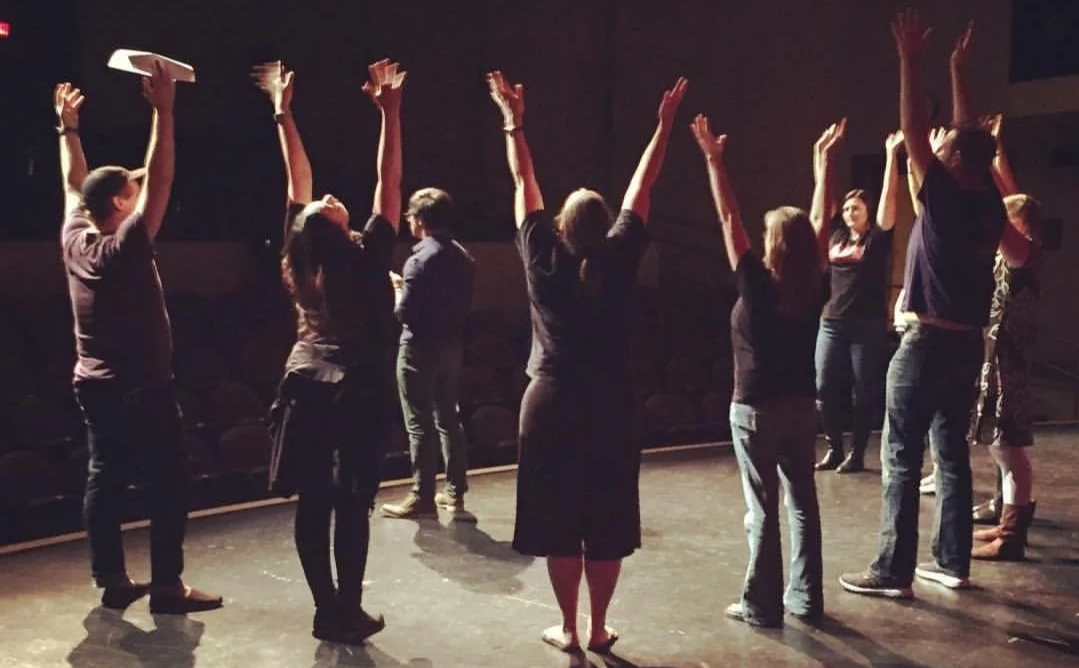
Chorus: Encore Vocal Ensemble
Who Is Missing From Your Chorus?
There is another important question we can ask:
Does our chorus reflect the community we serve?
Inviting your friends to audition is wonderful. In fact, that's how many of us found our own choirs! But if we only recruit through our existing networks, we are likely to limit our reach.
Consider whether your recruitment efforts are reaching communities that aren't already represented in your membership. Look at the communities surrounding your rehearsal and performance spaces. Are there schools, community organizations, cultural organizations, fellowships, neighborhood groups, colleges, or other arts organizations you could connect with?
Are there other performing groups that use your venue? Get to know them! Their audience may be your future singers and audience. And your chorus may have something valuable to offer their community, too.
This might look like attending another organization's event, partnering on a community program, sharing audition information through a neighborhood organization, or simply building a relationship before you ever ask someone to join.
Diversity in your chorus doesn't happen by accident. It happens when we intentionally expand who we invite into the room.
And this benefits everyone. A chorus with a broader range of experiences, backgrounds, perspectives, and voices has more opportunities to learn from one another, create meaningful programming, reach new audiences, and better reflect the community it serves.
You Don't Need to Be an Expert
None of us will get this perfectly right.
That's okay!
The goal is not to create a perfect diversity/equity/inclusion/access policy and put it in a big binder. The goal is to develop a habit of asking better questions:
Who might be missing?
What barriers might we not see?
Would someone who doesn't already know us understand that they are welcome here?
What could we change now, before someone has to ask?
Perhaps most importantly, don't let the fear of saying the wrong thing keep you from starting.
Listen. Learn. Ask questions. Use established resources. Bring in people with expertise when you need it. And be willing to change your practices when you learn something new.
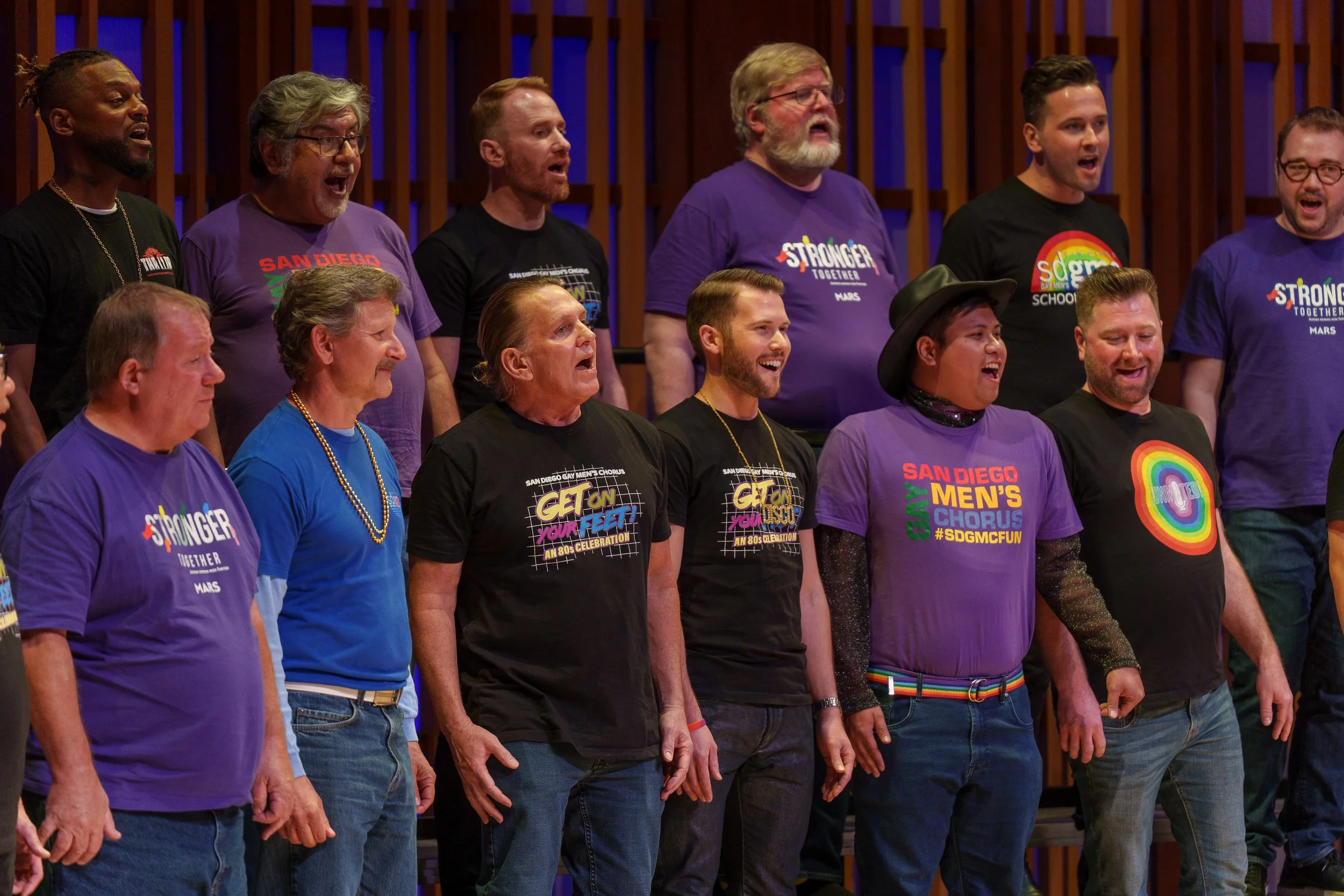
Chorus: San Diego Gay Men's Chorus
We Want to Learn From You!
CCSD is beginning to think about how we can provide more resources and opportunities for our member choruses around diversity, equity, inclusion, and access.
And we know that some of you are already doing this work. Bravissimo!
Maybe your chorus has a dedicated committee. Maybe you have an accessibility coordinator. Maybe you've developed policies around gender inclusion or accommodations. Perhaps you've been having conversations with your singers, board, or artistic staff about how to make your organization more welcoming.
We want to hear from you! Email executivedirector@sdsings.org.
If you are a diversity, equity, inclusion, and access representative, committee member, or leader for your chorus, we would love to connect, learn from your experience, and explore ways we can share resources across our choral community.
Further Reading
GALA Choruses: A New Harmony: Equity, Access, and Belonging
A comprehensive starting point for chorus leaders, with workbooks and resources covering mobility and ability, gender identity, race and ethnic identity, sexual orientation, digital accessibility, neurodiversity, community engagement, and more. The individual topic resources and checklists make it easy for a board or DEIA committee to focus on one area at a time.
Chorus America: Welcoming Transgender Singers Resource List
A collection of resources for chorus leaders and educators interested in creating more welcoming environments for transgender singers, including resources related to transgender voices and creating inclusive choral spaces.
Chorus America: ADEI Resources
A broader collection of access, diversity, equity, and inclusion resources curated specifically for choral leaders. Chorus America's goal is to help ensembles build foundational knowledge, spark conversations, and move toward action.
National Conflict Resolution Center: Community Workshops and Training
Inclusion work sometimes means having difficult conversations. The National Conflict Resolution Center offers local San Diego organizations training and facilitation resources that can help develop skills for navigating conflict and building stronger communities.